Physical, biological, and anthropogenic processes affecting Colombia's coastal and marine ecosystems
Assembling joint research groups
COLDEMAR is a platform for scientific cooperation between the Institute of Marine Sciences and Limnology (INCIMAR) at the Universidad del Valle (Cali, Colombia) and the Leibniz Centre for Tropical Marine Research - ZMT (Bremen, Germany), funded by the German Federal Ministry of Research, Technology, and Space (BMFTR).
Physical, biological, and anthropogenic processes affecting Colombia's coastal and marine ecosystems
Impacts of climatic factors on coastal socio-ecological systems to improve tools for predicting the effects of climate change.
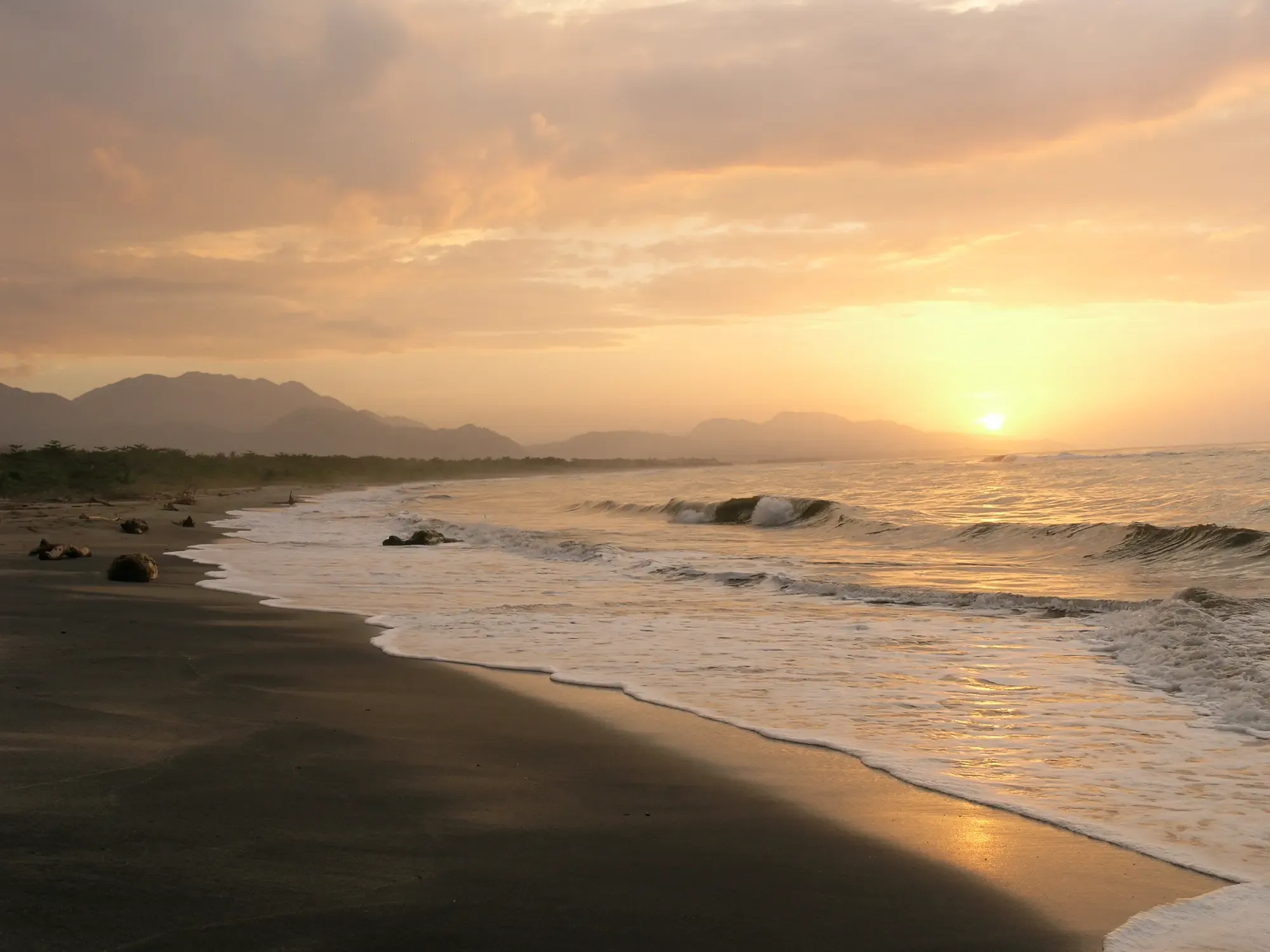
The Leibniz Center for Tropical Marine Research (ZMT) in Bremen is the only scientific institute in Germany that focuses exclusively on researching tropical and subtropical coastal ecosystems and their significance for nature and people. Together with its partners in tropical countries, the ZMT establishes a scientific foundation for the protection and sustainable use of these tropical coastal ecosystems.
of
INCIMAR is a center for knowledge generation and advanced university education in the fields of science, technology, and social interaction, whose goal is to contribute to national and regional development through interdisciplinary research in the field of marine sciences and the study of freshwater aquaculture systems.
We strengthen scientific cooperation between Colombia and Germany through an interdisciplinary and equitable partnership that generates rigorous and applicable knowledge about marine and coastal ecosystems.
To establish a binational platform for scientific excellence and social engagement that, by 2030, becomes a benchmark in Colombia and Latin America for its contributions to marine and coastal knowledge. Through equitable cooperation between the Global North and South, we transform science into sustainable solutions and effective public policies.
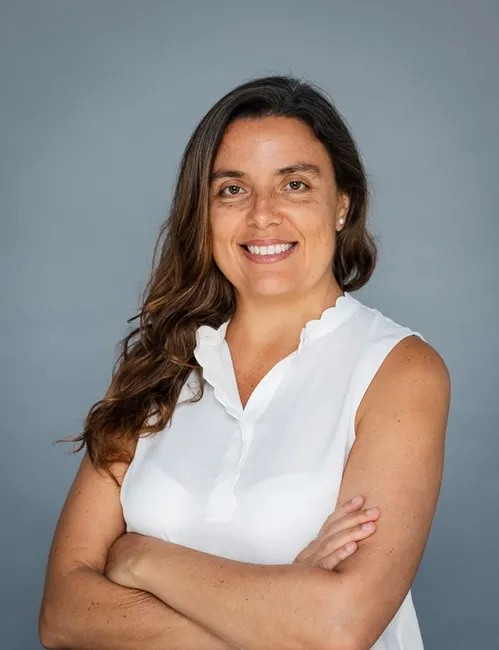
Sonia is the leader of the Reef Systems research group and co-leader of the Global Change Program area at the ZMT. Her research interests focus on understanding the functioning of coral reef ecosystems and their responses to climate change and other disturbances.
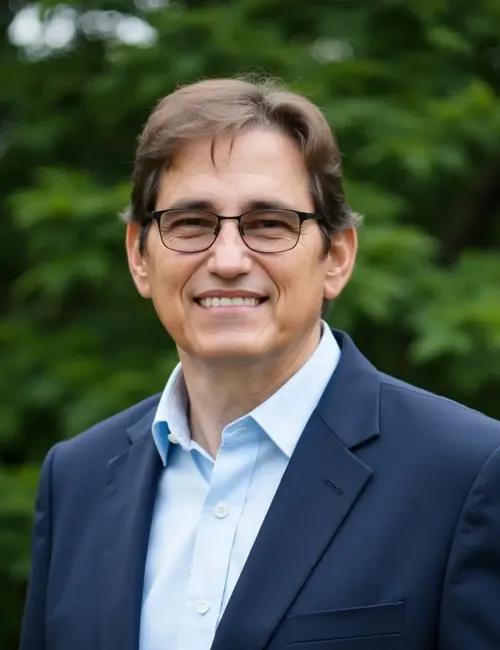
Fernando is a Full Professor in the Department of Biology at Universidad del Valle. His research focuses on the ecology and evolutionary biology of reef ecosystems, with a special emphasis on the structure, dynamics, and functioning of coral and rocky reefs. Additionally, he studies coral-fish interactions, as well as the factors that determine their biodiversity and resilience.
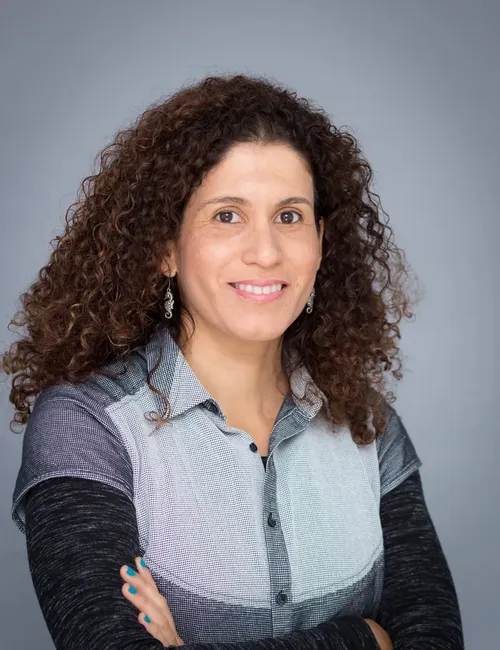
Pilar is the Strategic Coordinator at COLDEMAR. Her professional career has focused on the sustainable use of fishery resources, marine ecotourism, the design and management of marine protected areas, and the conservation and monitoring of marine ecosystems. She also has extensive experience in project coordination, as well as in collaborative work with institutional and community stakeholders.
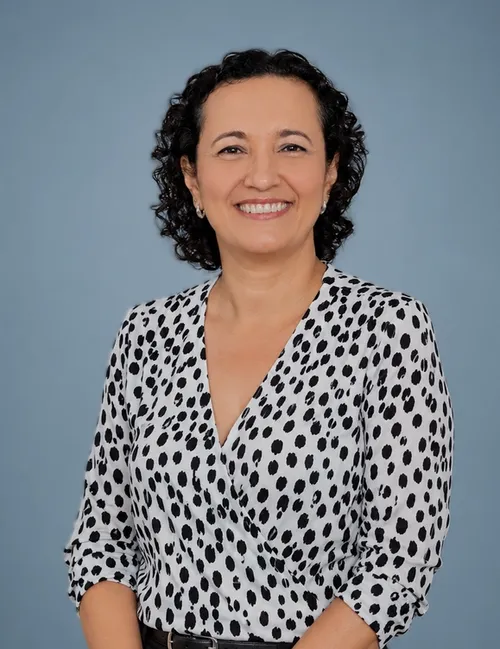
Heazel is the technical and operational coordinator at COLDEMAR. Her research interests focus on the dynamics of continental and marine-coastal aquatic ecosystems, as well as their sustainable management. Her professional experience encompasses research management, international scientific cooperation, and project coordination aimed at strengthening research capacities.
Marie is the leader of the Deliberation, Assessment, and Sustainability research group and co-leader of the Coastal Transformation Program area at ZMT. Her research interests focus on the sustainable management of natural resources and coastal zones, with an emphasis on participatory governance, deliberative processes, and participatory science.
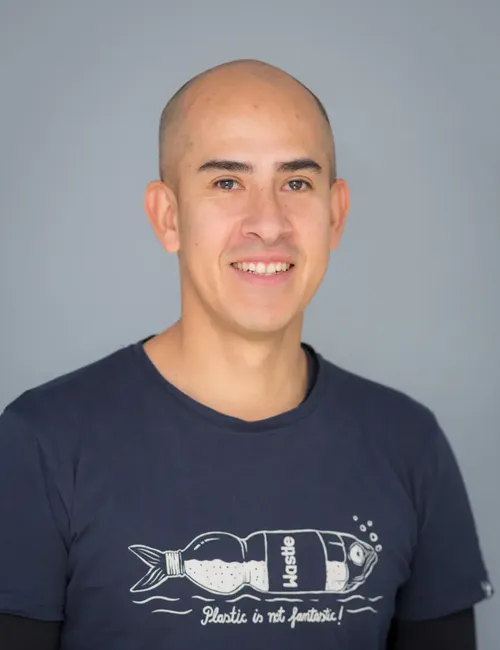
Gustavo is a postdoctoral researcher and coordinator of the Coastal Resources Program at ZMT. His research interests focus on the ecology and conservation of tropical fish and mangroves, biological invasions, the sustainable management of artisanal fisheries, and tropical marine socio-ecological systems.
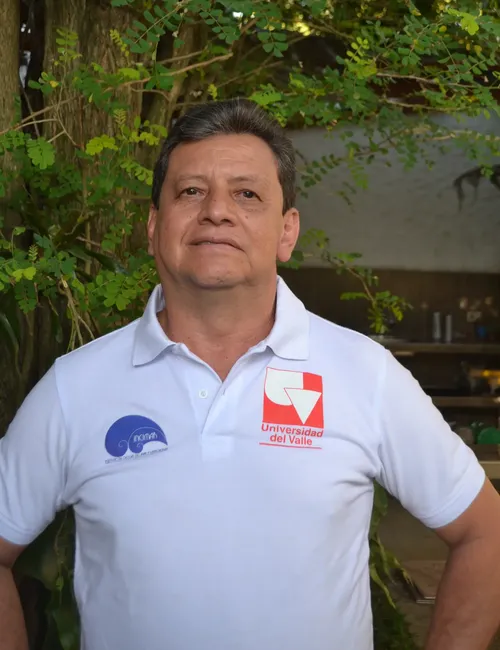
Enrique is a Full Professor in the Department of Biology at the Universidad del Valle. His research interests focus on the biodiversity and ecology of aquatic ecosystems. Throughout his career, he has worked on the bioprospecting of native plants, the diversity of algae and bacteria, bioremediation, plant ecophysiology, and ecological modeling.
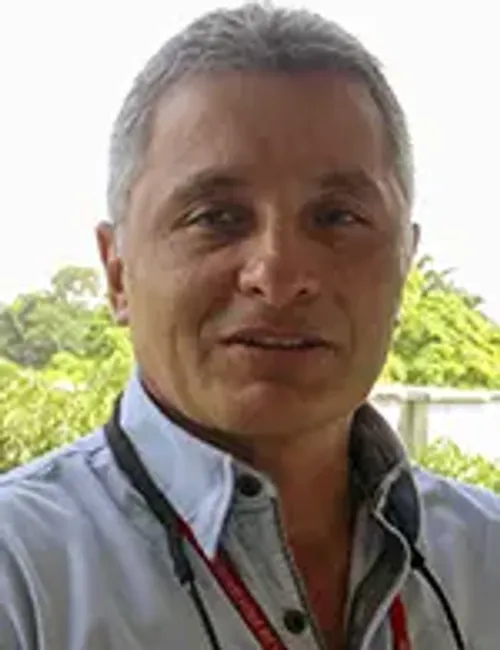
Edgardo is a Full Professor in the Department of Biology at the Universidad del Valle. His research interests focus on the ecology of marine invertebrates and the ecological processes that shape coastal and reef communities. His work covers coral bioerosion, the coexistence of marine species, and population ecology.
It provides knowledge to societies on their path toward a sustainable blue economy, focusing on a better fundamental understanding of coastal resources, their sustainable use, and their conservation. Beyond the link between the ocean and climate, it emphasizes issues related to biodiversity, market development, and livelihoods.
See moreIt provides a scientific basis for developing effective measures to address the degradation of tropical marine ecosystems and their adaptation to global change, the main drivers of that change (warming, acidification, deoxygenation, and sea-level rise), their effects on ecosystem functions and services, and the consequences for the climate, natural resources, and human societies.
See moreIt contributes to the protection and sustainable use of tropical coastal ecosystems by analyzing the fluxes of matter between the land and the ocean, their management, and their consequences.
See moreIts goal is to maintain or improve the provision of ecosystem services and their interaction with society through science and the participation of local communities and relevant knowledge providers.
See moreIt is based on ZMT's mission to advance science in support of conservation and sustainable use through research, capacity building, and consulting. It functions as a hybrid space that combines research and coordination, promoting equitable participation, social relevance, and long-term transformation in tropical coastal regions.
See moreIt seeks to understand the processes that determine the structure and function of coral reef ecosystems, particularly in the Colombian Pacific. To this end, it focuses on studying the structure and dynamics of communities and populations of various organisms—primarily corals and fish—in coral reefs, as well as the biotic and abiotic factors that influence them.
See moreIt conducts research on the country's intertidal and subtidal rocky marine ecosystems, seeking to generate knowledge about their biodiversity, composition, and ecological processes with a view to their conservation and sustainable use for the benefit of present and future communities.
See moreIt contributes to the understanding, conservation, and sustainable management of estuarine and mangrove ecosystems in the Colombian Pacific through the generation and systematization of scientific knowledge, the training and education of scientists, and the establishment of guidelines and recommendations for the integrated management of coastal areas, the improvement of residents’ quality of life, and the sustainable use of associated natural resources.
See moreIt conducts research aimed at solving problems involving the physical, chemical, and biological processes of our oceans, including the assessment of fishery resources and the spatiotemporal assessment of planktonic communities.
See moreIt focuses on conducting research in applied microbiology to develop biotechnological and agroindustrial solutions, identify and harness regional microbial diversity, and design innovative and clean technologies that improve production processes and contribute to environmental sustainability.
See moreIt conducts research in the field of evolutionary biology across different groups and relates it to the possible macro- and microevolutionary processes that have given rise to current patterns of organismic, ecological, and morphological diversity. Using phylogenetic and phylogeographic trees, it seeks to understand the processes that generate and shape biodiversity at different evolutionary scales.
See moreTo contribute to the analysis of local, regional, and national environmental issues, with an emphasis on water management and the study of the sociocultural and economic dynamics that lead to the unsustainable use of natural resources. In addition, we strengthen community-based management of water supply and sanitation systems and support the development of a participatory institutional culture with a gender perspective in environmental and water management.
See moreTo contribute to Integrated Water Resources Management (IWRM) by generating and systematizing knowledge through innovative solutions to IWRM challenges, and by integrating the anthropogenic cycle into the natural water cycle—not only from the perspective of health or environmental protection, but also by viewing water resources as a driving force for improving people’s quality of life.
See more